La estación por donde nadie pasa
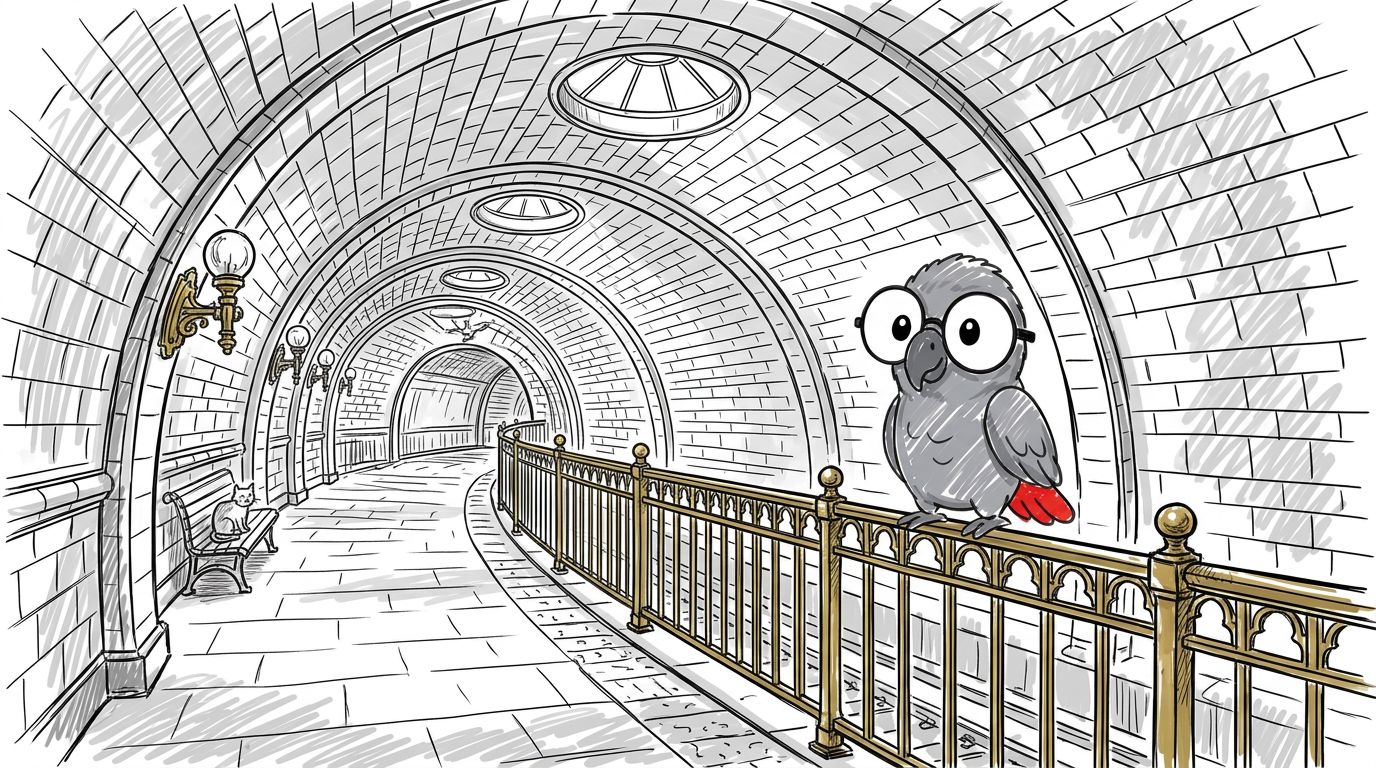
Polly finds an old subway station built to look nice, closed long ago because new trains were too long for its sharp curve.
Before you read
Words you'll learn
Tap a word or phrase to see what it means.
3 questions at the end. Read or listen first, then see how much you understood.
Quiz ↓La primera línea del metro abre bajo la ciudad en mil novecientos cuatro. Funciona de día y de noche, todos los días del año, y casi nunca cierra. Polly sigue un tren por debajo de la calle.
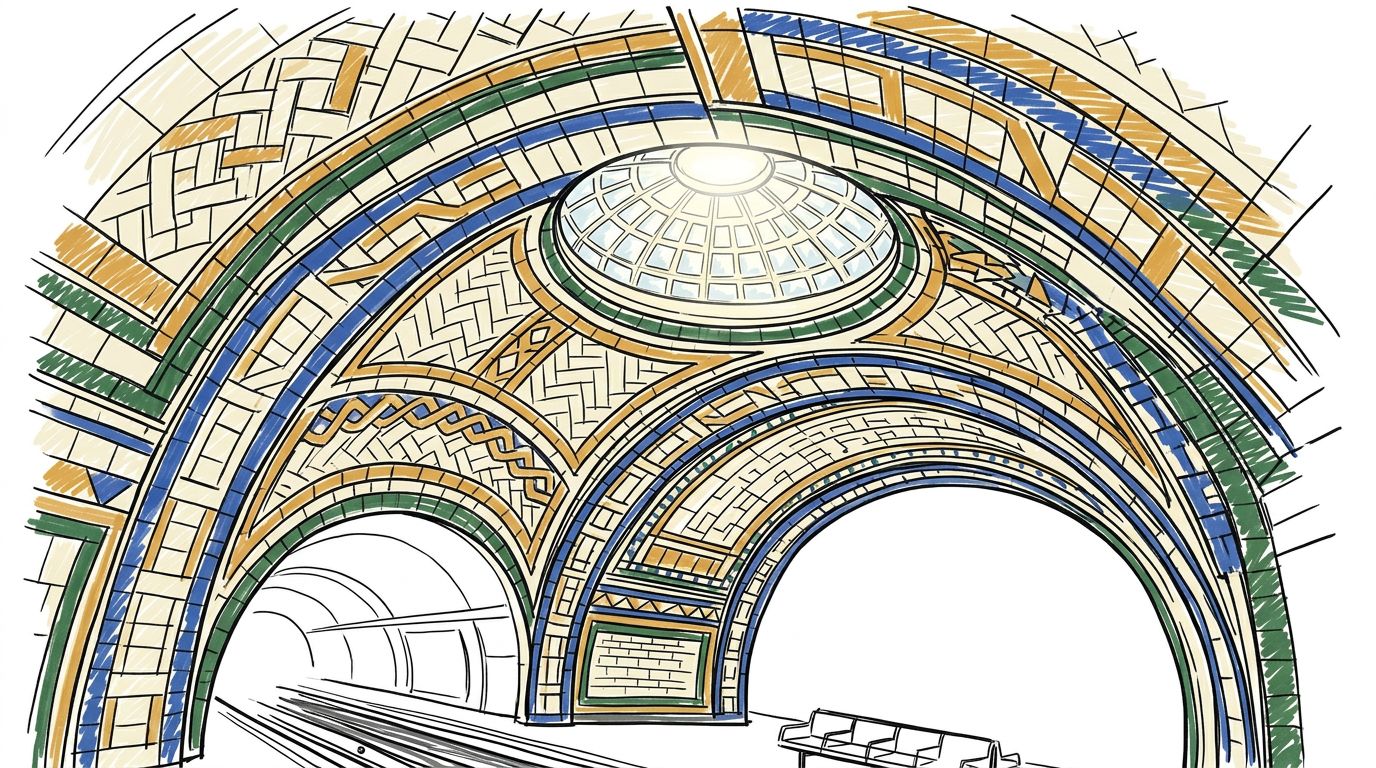
La primera estación se construye bonita, con luz que entra por vidrios en la acera de arriba y un techo de azulejos curvo, como una iglesia.
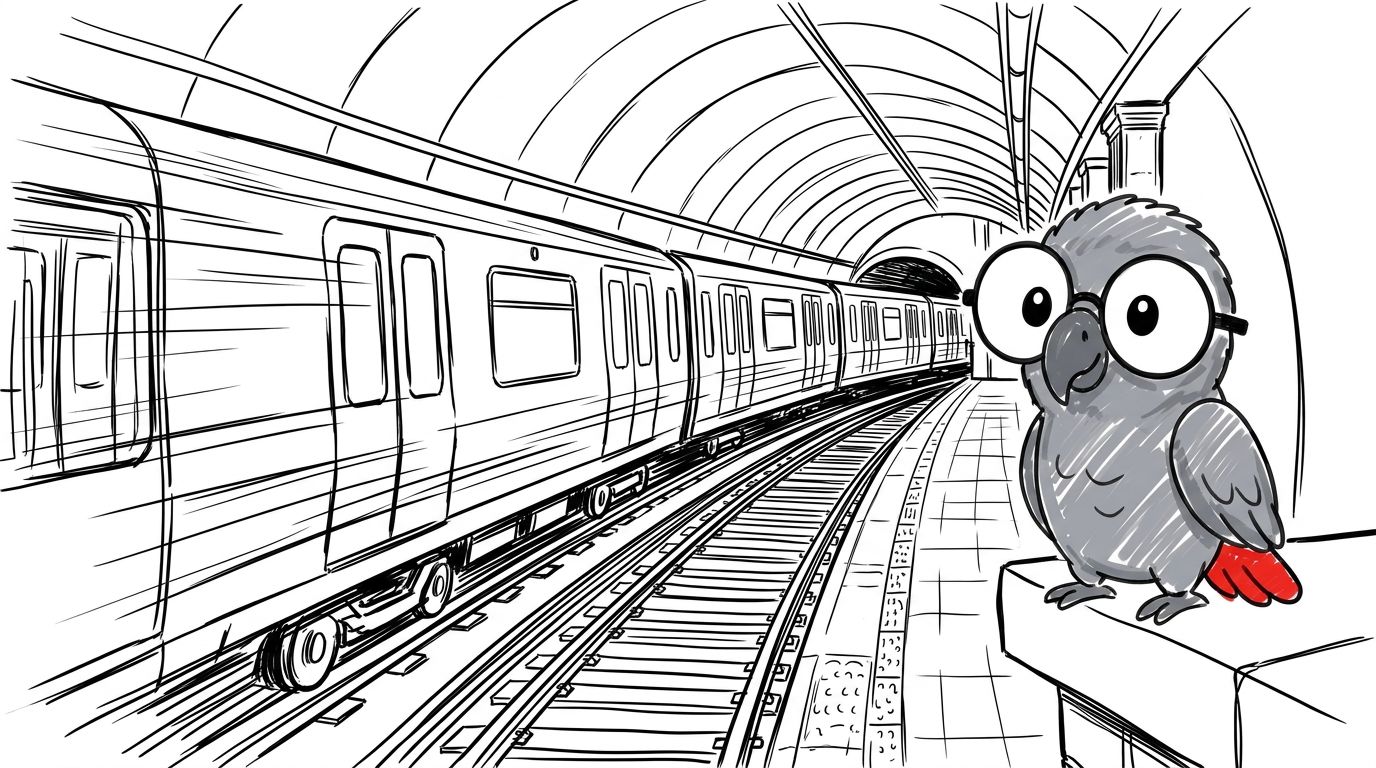
Pero el andén tiene una curva muy cerrada, hecha para trenes cortos. Los trenes nuevos son más largos, con puertas también en el medio, y abrirlas ahí no era seguro. La estación cierra a finales de mil novecientos cuarenta y cinco.
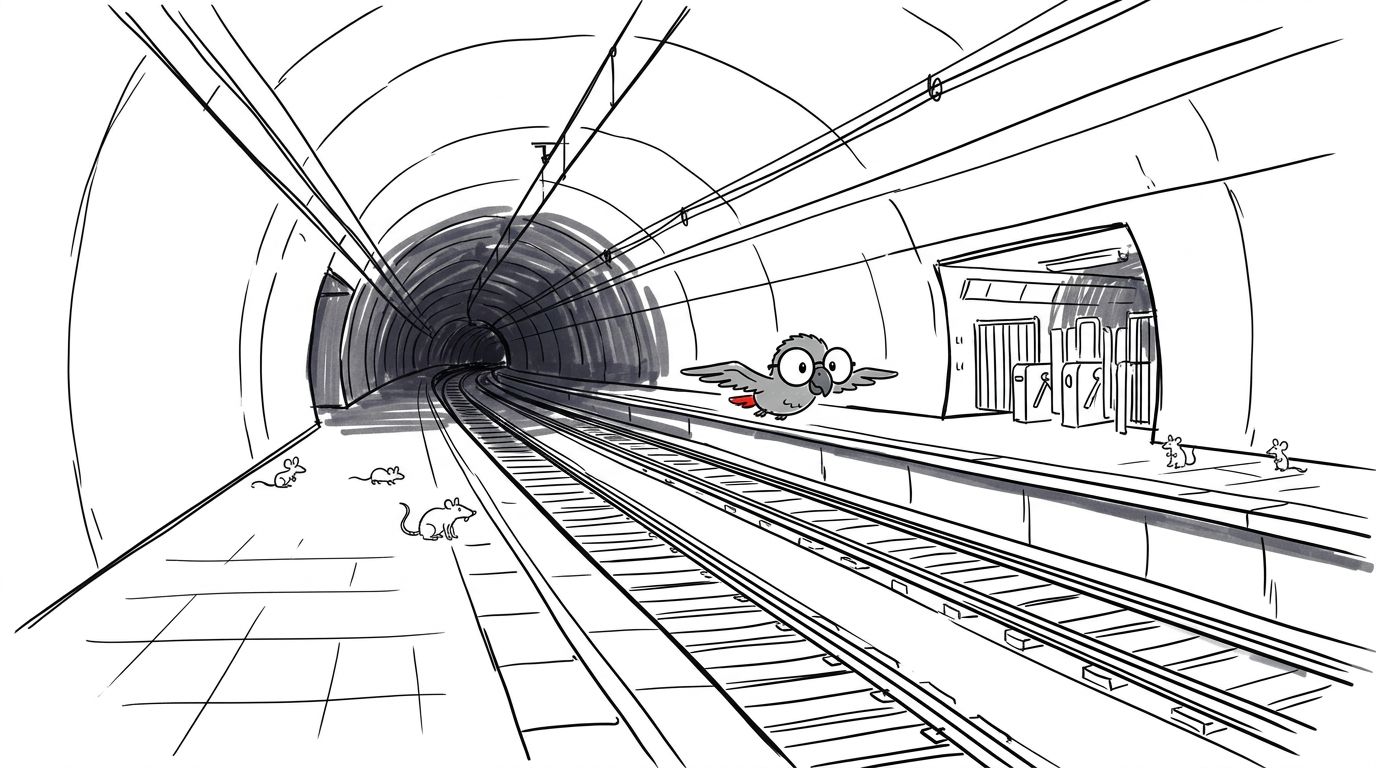
Nadie la quita. Los azulejos y las lámparas siguen ahí, en la oscuridad. Los trenes todavía pasan, pero nadie baja. Polly mira pasar un tren más.
That's the story. Now, did you get it? ↓
You just heard Polly
Want to hear what YOU sound like?
Read a line of the story out loud. Your recording stays on your device and is never uploaded.
Not bad, right? In the PollyStop app, Polly listens to exactly that and scores you right away.
Coaching, saved words, spaced repetition, and a fresh story every day.
Get PollyStop free¿Has entendido el texto?
Did you get it?
The questions are in Spanish.
What year did the first metro line open?
Why did the station close?
What does Polly see as she waits?
Your AI tutor
Now say it out loud. Talk about this story with Polly.
Polly is PollyStop's voice tutor. She talks with you about stories like this one, out loud.
Get PollyStop free.
- A new graded story every day, with audio.
- Save the words you meet and practise them later.
- Speaking practice with feedback.
- Polly, the voice tutor, is opening up to more learners.
Keep going at A2
Next stories
Read this story in another language.
Same story, different language. Compare the shape and rhythm without losing the plot.
3 questions at the end
Read, then check what you understood